A review of available analytical methods to detect ancient salt production
Abstract
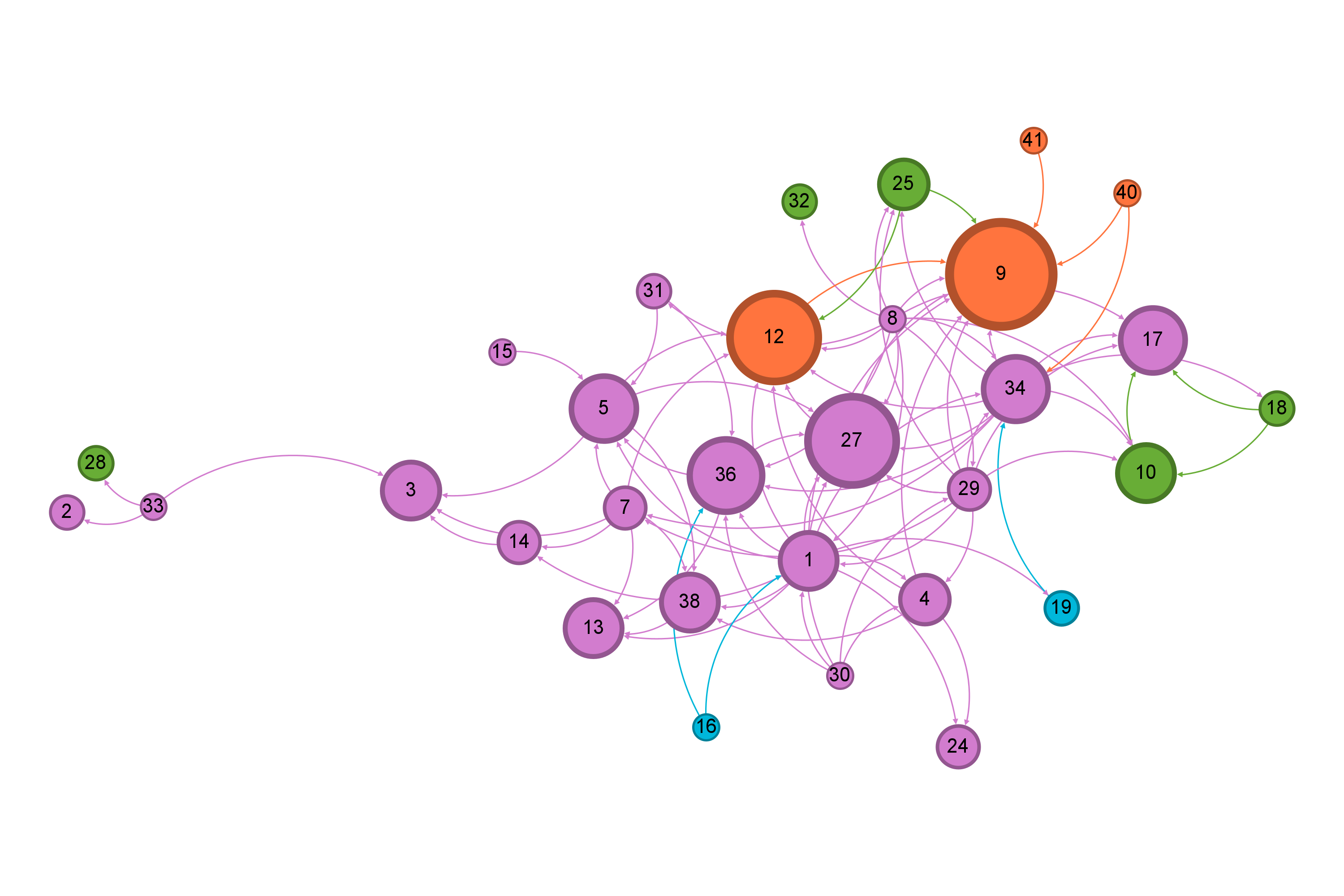
Until a few decades ago, studying ancient salt production from highly concentrated NaCl solutions (brine) posed significant challenges due to NaCl's extreme solubility, which rarely preserves unless under exceptional conditions. In recent years, the integration of various physical-chemical analysis techniques alongside conventional archaeological methods has addressed this issue, identifying chemical proxies derived from salt production. These analyses have not only pinpointed sites of salt production but also increasingly detailed the chaine-operatoire related to its production. However, diverse and sometimes ineffective approaches have been employed. This contribution presents an initial review of these methods, aiming to synthesize their potentials and inherent risks. Besides the partial unreliability of commonly used proxies such as Na and Cl, the review suggests promising avenues, including alternative use of Bromine (Br) and Boron (B), and exploration of ancient DNA from halophilic Archaea associated with brine. Additionally, a simple Citation Graph underscores the need to enhance connectivity among scholars in this field, as current networking limitations impede efficient information dissemination.