From pencil to pixel: assessing Ceramatic 2.0 against manual and laser-aided techniques in archaeological pottery documentation
Abstract
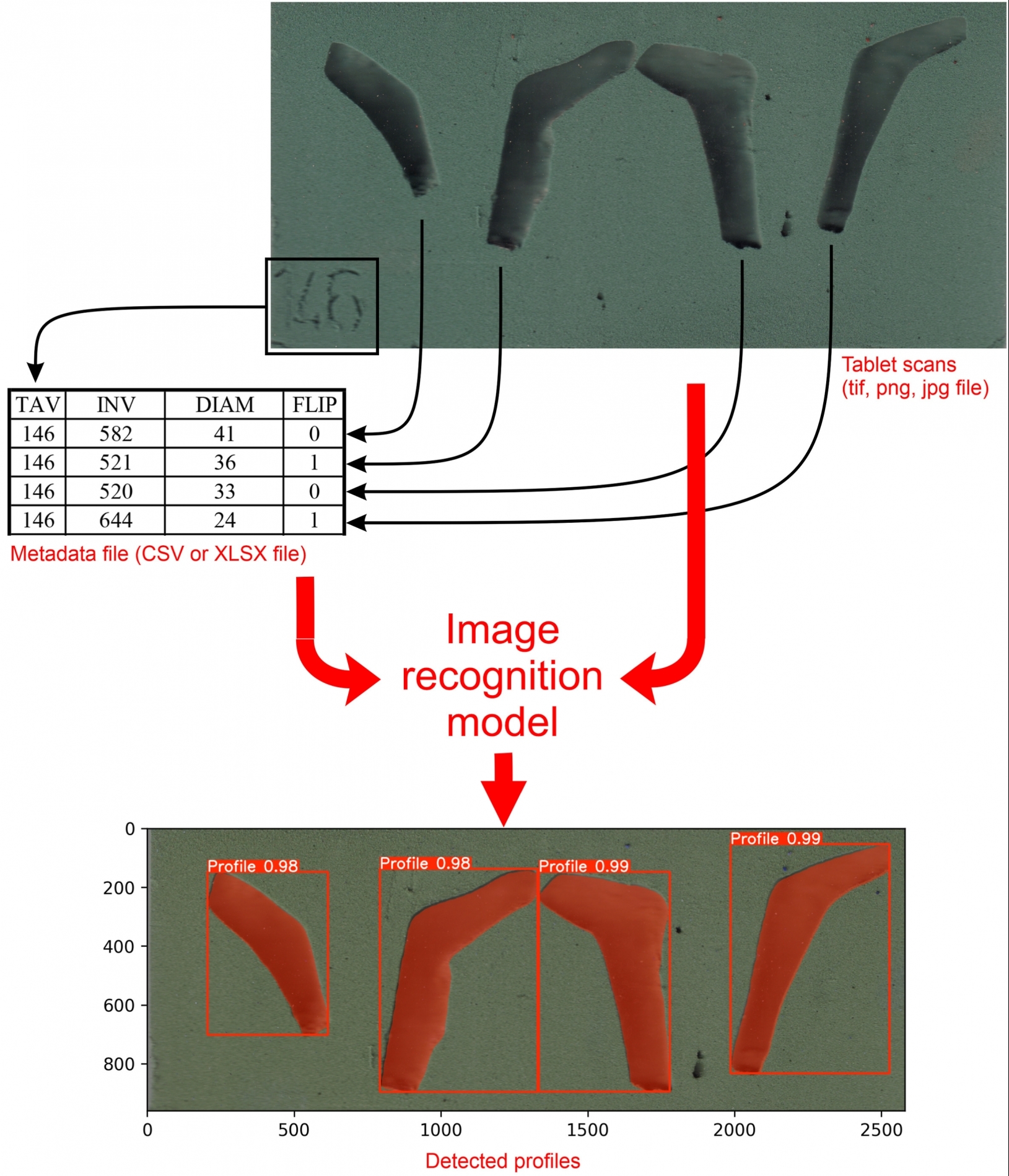
This paper introduces Ceramatic 2.0, an AI-enhanced device designed to automate the documentation of archaeological pottery fragments. By utilizing phenolic foam tablets and machine learning algorithms, Ceramatic 2.0 significantly reduces the time required for accurate profile documentation, making it highly effective in large-scale archaeological excavations. When evaluated in terms of profile reliability, cost, and time efficiency—compared to manual drawing and the Laser Aided Profiler (LAP)—it stands out for its ease of use, affordability, and low learning curve, enabling even non-specialists to achieve consistent results. Although the device has some limitations, such as its inability to generate front views or handle highly complex artifacts, these do not detract from its overall effectiveness in most archaeological contexts. The study, based on 12 impasto jars from the Piscina Torta site (Rome, Italy), demonstrates that Ceramatic 2.0 is a valuable tool for accelerating the documentation process without sacrificing accuracy.