The briquetage experiment, from the 2nd to the 8th of November, will consist of the faithful reconstruction of kiln 3K3 in the open area in front of Casale Bussolini. The kiln will subsequently be charged with vessels that have likewise been reconstructed on the basis of the morphological profiles identified among the ceramic fragments that originally formed the kiln lining. These vessels, characterized by a truncated conical shape, have been produced by Agnese Fischetti using manufacturing techniques that replicate as closely as possible those inferred for the original artefacts.
Once the kiln has been loaded—presumably with approximately seven or eight vessels—three firing sessions will be conducted. During these operations, a comprehensive set of parameters will be systematically recorded. Measurements will include: the kiln temperature throughout the entire firing process; for each vessel, the internal temperature, the rate of evaporation, and the total volume of brine employed (including both the initial charge and subsequent refills). In addition, the total amount of charcoal consumed during the process will be quantified, along with the total yield of crystallized salt.
Samples will also be collected from multiple points within the kiln and from the vessels, both at the beginning and at the end of each experimental firing, in order to investigate the physico-chemical alterations of the ceramics and to monitor variations in the magnetic field behaviour for paleomagnetic analysis. Brine samples will likewise be taken at regular intervals before, during, and after each firing to assess changes in their chemical composition over time.
The three firings are designed to test the outcomes obtained under different operational parameters: partial versus full filling of the vessels; the presence or absence of animal fat as a release agent to facilitate the extraction of the salt cake; and the adoption or omission of a pre-heating phase of the brine prior to refilling the vessels during firing.
The entire experimental sequence will be continuously recorded and broadcast live (24/7) via online streaming at the link https://saltandpower.gia-mediterranean.nl/2025/10/10/live-streaming/. In addition, a team of professional videographers will carry out independent documentary recordings to ensure comprehensive visual documentation of all procedures and results.
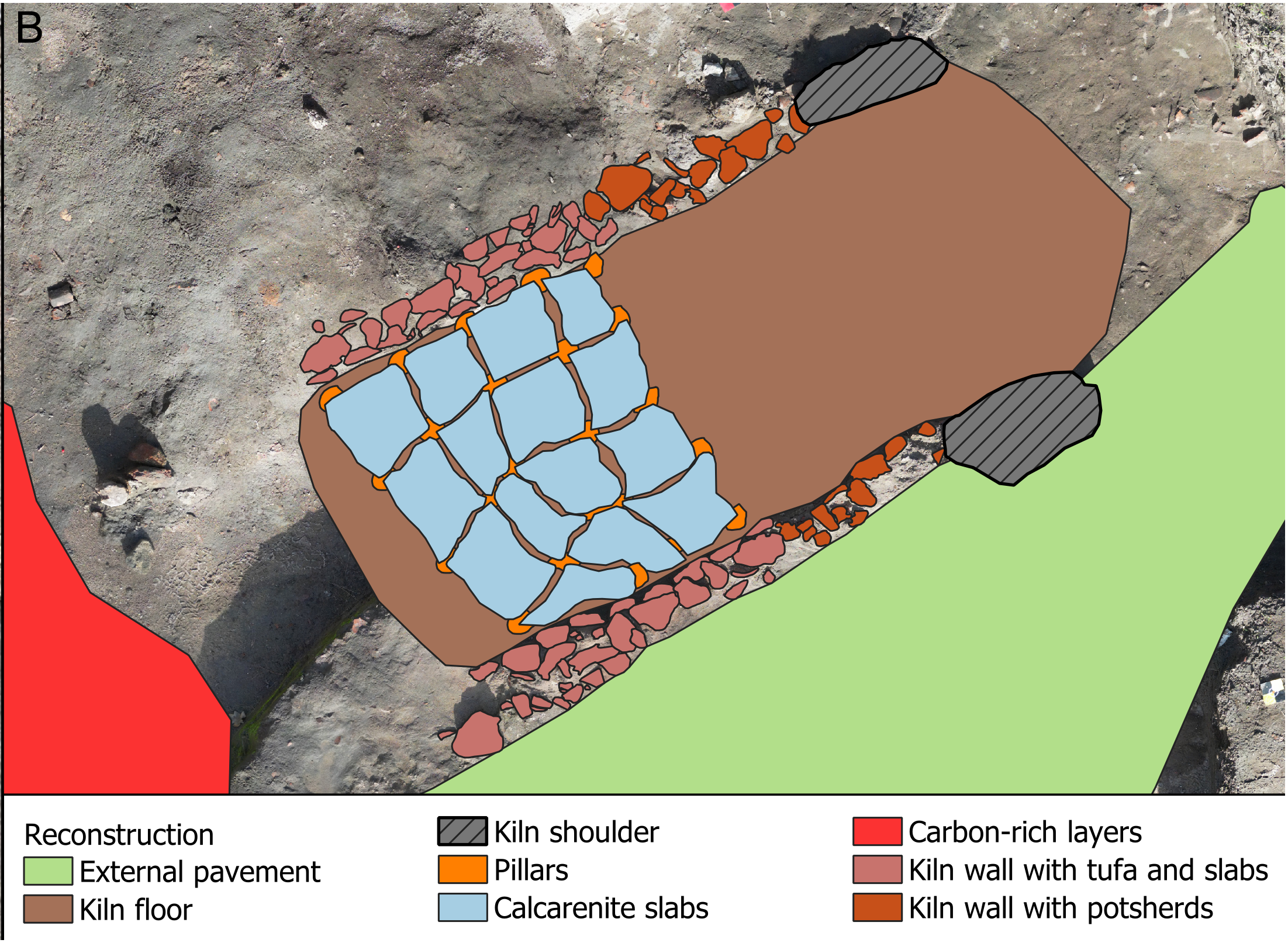
Archaeomagnetic dating as a tool to overcome the Hallstatt plateau: A combined chronological approach at the salt production site of Piscina Torta (Rome, Italy)
Alessandri L, Di Chiara A, Bonilla-Alba R, Cusimano L, Della Sala GA, et al. (2026) Archaeomagnetic dating as a tool to overcome the Hallstatt plateau: A combined chronological approach at the salt production site of Piscina Torta (Rome, Italy). PLOS ONE 21(7): e0351625. https://doi.org/10.1371/journal.pone.0351625

Early Use of Lime Mortar at the Early Iron Age Piscina Torta Salt Production Site (Tiber Delta, Ostia, Italy)
Bulian, F., J.Sevink, P.Degryse, M.Quilici, L.Alessandri, and P.Attema, 2026, Early Use of Lime Mortar at the Early Iron Age Piscina Torta Salt Production Site (Tiber Delta, Ostia, Italy), Geoarchaeology, 41, DOI 10.1002/gea.70053

Sodium Chronicles… Grain by Grain. New Methods for Quantifying Ancient Salt Demand
Sotgia A., Alessandri L., Attema A., Bulian F., Sevink J., 2026, Sodium Chronicles… Grain by Grain. New Methods for Quantifying Ancient Salt Demand, Archaeological Method and Theory, 33, DOI 10.1007/s10816-026-09771-7

Before Rome: Salt, settlement, and human–environment dynamics at the Early Iron Age site of Piscina Torta (Tyrrhenian coast)
Bulian F., Sevink J., Alessandri L., Maurer A., De Donno G., Baiocchi V., Guarnieri A., 2026, Before Rome: Salt, settlement, and human–environment dynamics at the Early Iron Age site of Piscina Torta (Tyrrhenian coast), Quaternary Science Review, 375, DOI 10.1016/j.quascirev.2026.109808

Archaeomagnetic Dating as a Tool to Overcome the Hallstatt Plateau: A Combined Chronological Approach at the Salt Production Site of Piscina Torta (Rome, Italy)
Alessandri L., Di Chiara A., Bonilla-Alba R., Cusimano L., Della Sala G.A., Fiorillo A., Gianni V., Rossi C., Sotgia A., Florindo F., 2026, Archaeomagnetic Dating as a Tool to Overcome the Hallstatt Plateau: A Combined Chronological Approach at the Salt Production Site of Piscina Torta (Rome, Italy), Zenodo, DOI 10.5281/zenodo.18789572

Production and Demand of Salt in Ancient Italy from the Bronze Age to the Roman Period
Attema P., Alessandri L., Bulian F., Sevink J., Sotgia A., 2025, Production and Demand of Salt in Ancient Italy from the Bronze Age to the Roman Period, in Eubanks, P.N., Dumas, A.A., McKillop, H., Alexianu, M. (eds) Meridians of Salt. Interdisciplinary Contributions to Archaeology, Springer, Cham DOI 10.1007/978-3-031-96692-7_11

Drone-based laser scanning for improved archaeological surveys in heavily vegetated zones: A Roman coastline case study
Alessandri L., Baiocchi V., Guarnieri A., Ciardulli A.M., 2025, Drone-based laser scanning for improved archaeological surveys in heavily vegetated zones: A Roman coastline case study., IEEE 12th International Workshop on Metrology for AeroSpace (MetroAeroSpace), p. 838-842, DOI 10.1109/MetroAeroSpace64938.2025.11114655
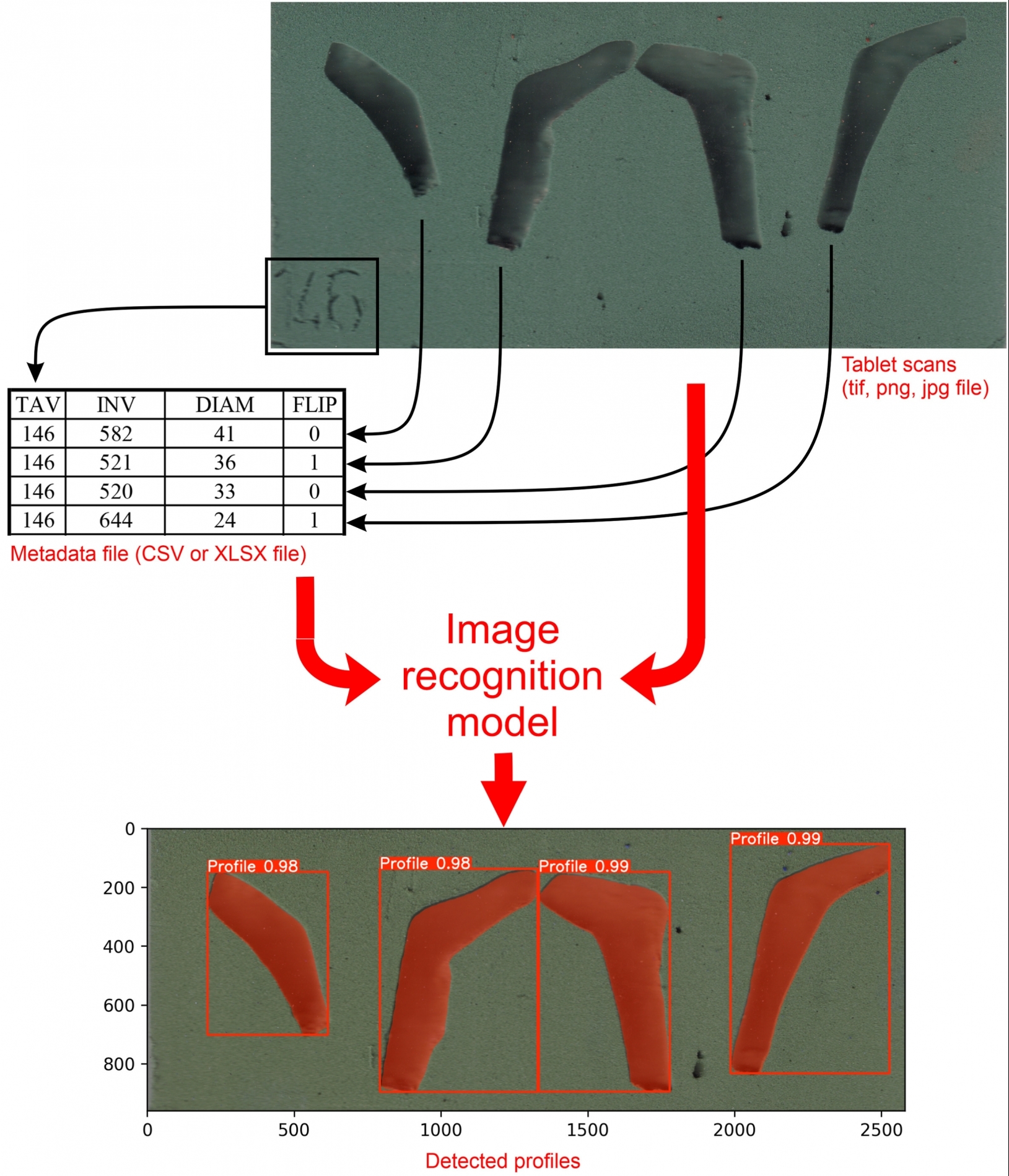
From pencil to pixel: assessing Ceramatic 2.0 against manual and laser-aided techniques in archaeological pottery documentation
Alessandri L., Cardarelli L., Cesaretti A., Dan R., Fiorillo A., Sotgia A., Cusimano L., Della Sala G.A., Gianni V., Rossi C., 2025, From pencil to pixel: assessing Ceramatic 2.0 against manual and laser-aided techniques in archaeological pottery documentation, Digital Applications in Archaeology and Cultural Heritage, DOI 10.1016/j.daach.2025.e00435
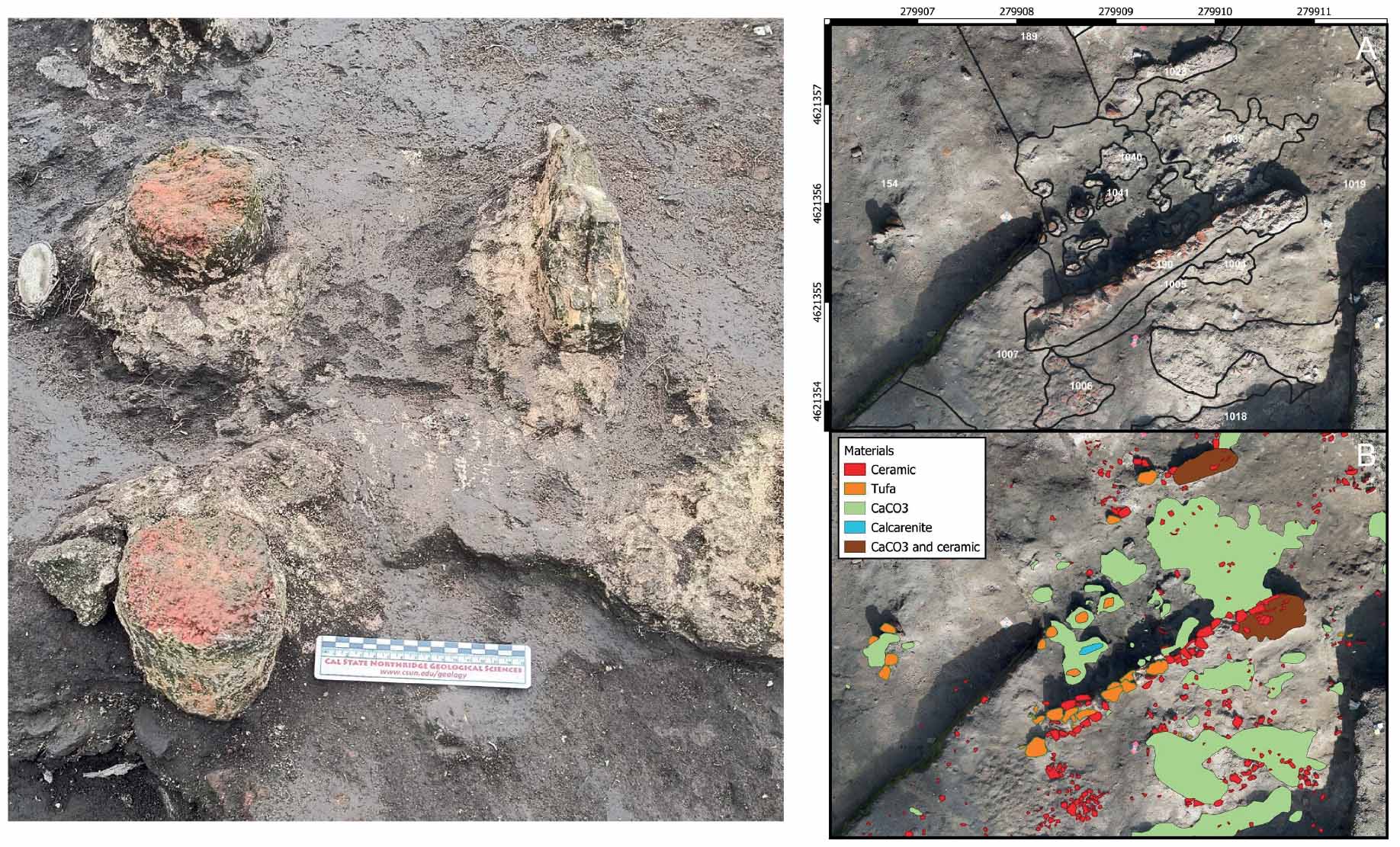
Archaeomagnetic Dating of Roman Iron Age Kilns
Bonilla Alba, R., Di Chiara, A., Alessandri, L., Cusimano, L., Della Sala, G. A., Fiorillo, A., Gianni, V., Rossi, C., Sotgia, A., and Florindo, F. 2025, Archaeomagnetic Dating of Roman Iron Age Kilns, EGU25-19529, DOI 10.5194/egusphere-egu25-19529

Salt Production, Trade and Consumption in European Pre-Industrial Societies: Analytical Methods and Socioeconomic Contexts
Alessandri L., Bulian F., Attema P., Sevink J. 2025, Salt Production, Trade and Consumption in European Pre-Industrial Societies: Analytical Methods and Socioeconomic Contexts, Quaternary Science Review, 356, DOI 10.1016/j.quascirev.2025.109291

Bronze Age to Roman period salt production in the coastal areas of peninsular Italy: Palaeoenvironments, production methods and archaeological evidence
Bulian F., Alessandri L., Attema P., Sevink J. 2024, Bronze Age to Roman period salt production in the coastal areas of peninsular Italy: Palaeoenvironments, production methods and archaeological evidence, Quaternary Science Review, 344, DOI 10.1016/j.quascirev.2024.108930
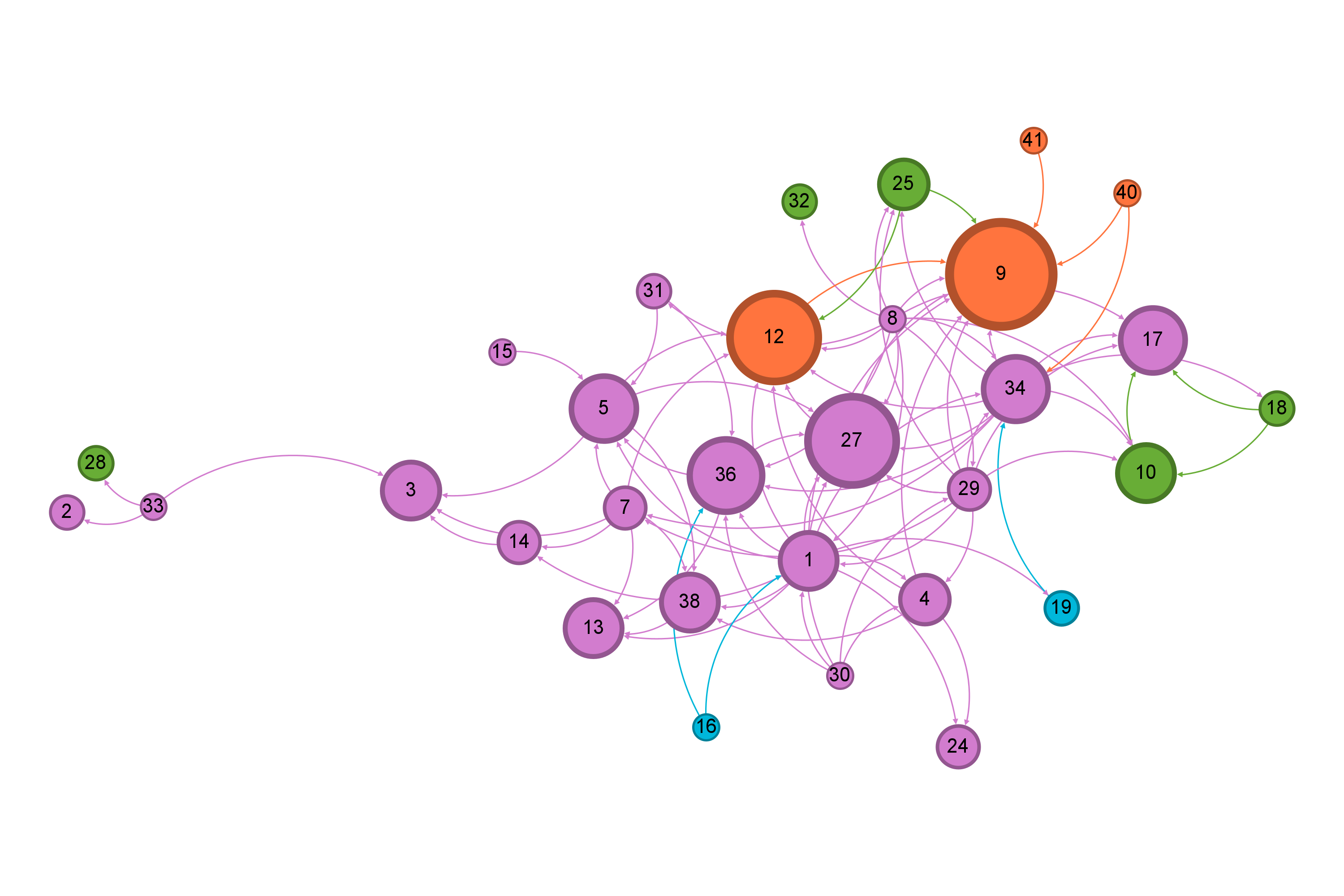
A review of available analytical methods to detect ancient salt production
Alessandri L., Sottili G., Belardelli C. 2024, A review of available analytical methods to detect ancient salt production, Quaternary Science Review 338, 2024, DOI 10.1016/j.quascirev.2024.108809